Chair Games

Girl Guides, Scouts or Boys Brigade? A variation on the game Oranges and Lemons. Assign the students into three teams based on anything from after school clubs to football teams and then spread their chairs randomly around the room. With the chairs spread around the room the action becomes less predictive and students have to move further. There are so many different variations of this … Continue reading Chair Games

ICER Resources

I’ve just uploaded onto TES some resources for ICER. ICER is an acronym for Ideas, Create, Evaluate and Rehearse and acts as a way of structuring the lesson and the way in which students create drama. It allows for early intervention with groups you aren’t working well and it maintains a fast but healthy pace to the lesson. It is very observation and OfSted friendly as … Continue reading ICER Resources

ICER: A model for making Drama

ICER is an acronym that I’ve been using with my Key Stage 3 students for some time now and as I’m working with Key Stage 3 again next year it is time to get it back out of the cupboard! It is a simple but effective method of keeping the lesson focused, with a good pace and allows you to have mini-plenaries at the end … Continue reading ICER: A model for making Drama

Absolutely Awesome Alliteration Acting Activity

This is a game that I’ve used for many years with Year 7 and 8 as a ‘get to know your names’ activity. I’ve often started the year with the students in the same position in the circle for the first few weeks and take a note of their names in this activity. There are so many students and so many names that that is … Continue reading Absolutely Awesome Alliteration Acting Activity

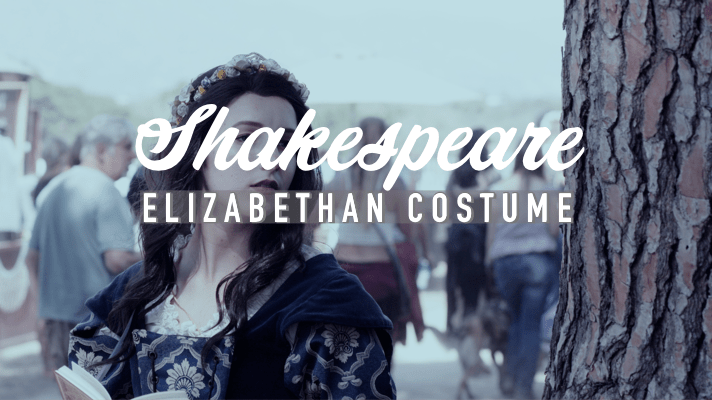
Elizabethan Costume

This is the Peacham Manuscript. It is the only surviving manuscript from the time of Shakespeare and the only surviving documentation of the costumes that actors might have worn on stage. The image is of a performance of Titus Andronicus. Take a closer look at the image and the central character, is wearing a toga and laurel wreath, suggesting that she is from ancient Rome. … Continue reading Elizabethan Costume

How Shakespeare uses language to set the scene.

How did Shakespeare overcome not having any set in his stage? How did Shakespeare’s actors use his words to understand how to act? How does this compare to modern performances of Shakespeare? Setting the scene through language. In the opening prologue of Henry V Shakespeare asks us, his audience, to imagine the theatre as the battle ground of Agincourt and to imagine that “when we … Continue reading How Shakespeare uses language to set the scene.