
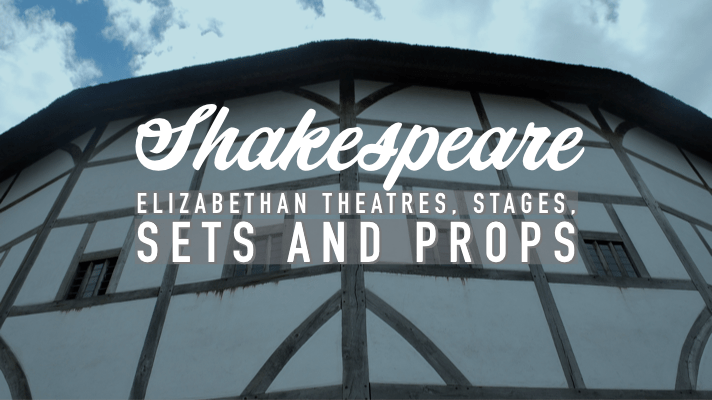
Elizabethan Theatres, Stages, Set and Props

This is only surviving image made during the 16th Century and the kind of theatres that Shakespeare would have been familiar with and writing for. They had thrust stages with audience stood around the three sides of the stage for one penny. For more money, audience sat in any of the three galleries around the outside of the space or even at the back of … Continue reading Elizabethan Theatres, Stages, Set and Props


My Drama Manifesto

This is my manifesto for Drama in Education and why I believe that teaching Drama and Theatre to young people, and working with young people through the medium of Drama and Theatre, is very important. Fundamentally I believe in teaching the art of making theatre, and studying the theatre of others, makes people better people and equips them with the skills they need to make a … Continue reading My Drama Manifesto

How I use DIRT in Drama lessons.

Dedicated Independent Reflection Time Dedicated Independent Reflection Time or Dedicated Improvement Reflection Time is, well, exactly that. Time given to the students to do nothing else but to reflect on their progress and consider how to improve and where to go next. It is something that I first came across from blogger Hunting English. How I use DIRT in Drama Key Stage 4 lessons. When I … Continue reading How I use DIRT in Drama lessons.

6 Ways to improve extended writing

Extended writing is a vital part of all modern qualifications and they can be daunting to all students. The expanse of a page in front of them. The knowledge that what they is worth 15 to 20 marks. As daunting as it is, it doesn’t have to be impossible. Here are 6 ways of improving extended writing, no matter what level of qualification your students … Continue reading 6 Ways to improve extended writing

Evidencing Progress

I’ve just had feedback from a book scrutiny on my Year 10 Drama GCSE group. These have been some interesting bits of feedback that I want to reflect on. Firstly though, for context, in Drama we keep our classwork in folders and we have homework books for written work. This is because the class work tends to be recording progress using big A3 Graphic Organisers … Continue reading Evidencing Progress

The role of extra-curricular drama

This is my second blog in a series of reflective blogs at the end of Year 2 at my current school. Lets start with what I offer at that extra curricular level. I offer: School Production from September to March every Monday and Tuesday afterschool. Summer Shakespeare from March to July every Monday and Tuesday afterschool. LAMDA lessons are taught in upper school and lower school small … Continue reading The role of extra-curricular drama